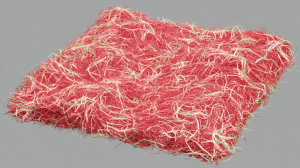
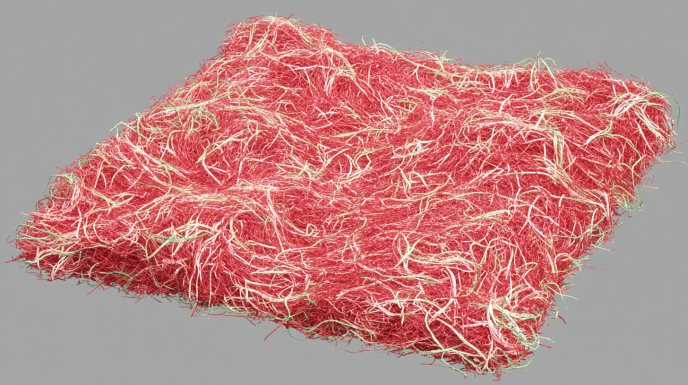
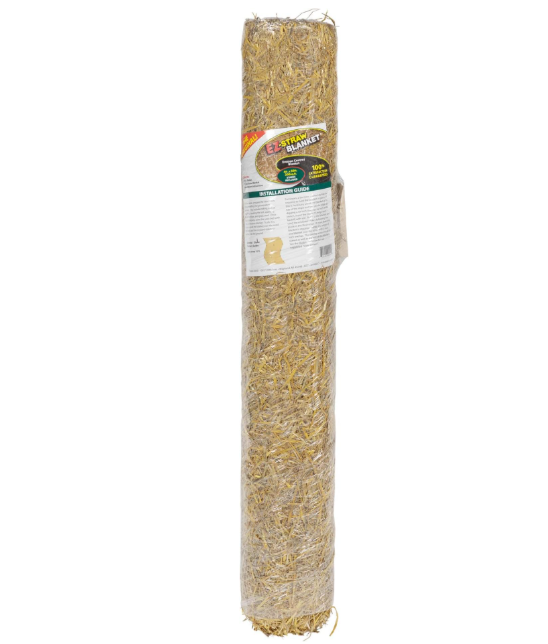
EZ Straw Grass Seed Germination and Erosion Control Blanket – 4ft. x 50ft. (200 sq. ft.), Multi (ML4X50)
- Combination Product: Made from our Clean Processed Straw and Premium Grass Seed.
- Better Grass, Faster: Provides faster germination for grass seed while preventing erosion.
Transforming bare soil into thriving landscapes with nature’s most effective protection system
Picture this: you’ve just finished seeding your dream lawn or completed an ambitious landscaping project on that challenging slope in your backyard. The seeds are planted, the soil is prepared, and you’re filled with anticipation. But then comes the first heavy rain, and you watch helplessly as your hard work literally washes away down the hillside. If this scenario sounds painfully familiar, then you’re about to discover the game-changing solution that landscape professionals and homeowners alike are raving about: the Ez Straw Blanket.
In the world of erosion control and landscape establishment, few innovations have made as significant an impact as this remarkable protective covering. The Ez Straw Blanket isn’t just another gardening accessory—it’s a sophisticated erosion control system that combines the natural benefits of straw with modern engineering to create something truly extraordinary.
What is an Ez Straw Blanket?
The Ez Straw Blanket represents a quantum leap in erosion control technology. At its core, it’s an innovative protective covering made from carefully selected natural straw fibers that have been processed and woven into a blanket-like material using specialized binding techniques. Unlike traditional loose straw that can blow away at the first gust of wind or wash away during moderate rainfall, the Ez Straw Blanket maintains its integrity while providing superior protection for newly seeded areas, existing vegetation, and vulnerable soil surfaces.
This remarkable product emerged from the recognition that while straw has been used for centuries as a natural mulch and soil protector, its application in loose form often proved frustratingly ineffective. The Ez Straw Blanket solves this age-old problem by transforming loose straw into a cohesive, manageable product that stays exactly where you place it while still allowing water, air, and sunlight to reach the soil beneath.
What sets the Ez Straw Blanket apart from conventional erosion control methods is its unique construction. The straw fibers are carefully arranged and bound together using environmentally friendly techniques that create a uniform, consistent product. This process ensures that every square foot of the blanket provides the same level of protection, something that’s impossible to achieve with loose straw application.
The Science Behind How the Ez Straw Blanket Works
Understanding the mechanics of how the Ez Straw Blanket functions reveals why it’s become such a trusted solution among landscape professionals. The blanket operates on multiple scientific principles simultaneously, creating a comprehensive protection system that addresses various challenges facing newly seeded areas and vulnerable soil surfaces.
The primary mechanism involves creating a physical barrier that absorbs and dissipates the kinetic energy of falling raindrops. When rain falls directly onto exposed soil, each droplet creates a tiny crater upon impact, displacing soil particles and creating the beginning stages of erosion. The Ez Straw Blanket intercepts these raindrops, absorbing their energy and allowing water to filter gently through to the soil beneath rather than striking it with destructive force.
Temperature regulation represents another crucial function of the Ez Straw Blanket. The natural insulating properties of straw create a microclimate beneath the blanket that moderates temperature extremes. During hot summer days, the blanket provides cooling shade that prevents soil from overheating and damaging germinating seeds. During cooler periods, it acts as an insulating layer that retains soil warmth, extending the growing season and improving germination rates.
The moisture retention capabilities of the Ez Straw Blanket work through a sophisticated process of absorption, retention, and gradual release. The straw fibers absorb moisture during rainfall or irrigation, creating a reservoir effect that continues to supply water to the soil long after the precipitation has ended. This sustained moisture availability is particularly crucial during the critical germination period when consistent soil moisture can mean the difference between successful establishment and failed seeding efforts.
Wind protection is another vital function that the Ez Straw Blanket provides. The blanket creates a calm microenvironment at the soil surface, protecting delicate seedlings from desiccating winds that can quickly kill young plants. This wind barrier also prevents the loss of seeds that might otherwise be blown away before they have a chance to establish roots.
Strategic Purchasing: Where to Find Your Ez Straw Blanket
Acquiring an Ez Straw Blanket requires understanding the various distribution channels available and selecting the most appropriate source for your specific needs and project requirements. The availability of this specialized erosion control product has expanded significantly as its effectiveness has become widely recognized.
Home improvement retailers represent one of the most accessible sources for the Ez Straw Blanket. Major chains typically stock various sizes and configurations, making it convenient for homeowners undertaking DIY landscaping projects. These retailers often provide the advantage of being able to examine the product in person before purchase, allowing you to assess the quality and suitability for your specific application.
Landscape supply companies offer another excellent avenue for obtaining the Ez Straw Blanket, particularly for larger projects or commercial applications. These specialized suppliers often carry professional-grade versions and can provide expert advice on sizing and installation techniques. They may also offer bulk pricing for extensive projects, making them cost-effective for contractors and large property owners.
Agricultural supply stores frequently stock the Ez Straw Blanket due to its popularity among farmers and ranchers for pasture establishment and erosion control on agricultural lands. These suppliers understand the demanding conditions that agricultural applications require and typically carry robust versions designed for extensive coverage areas.
Online marketplaces have become increasingly important sources for the Ez Straw Blanket, offering convenience and often competitive pricing. The ability to compare different brands, read customer reviews, and have products delivered directly to your project site makes online purchasing particularly attractive for many users. However, it’s important to verify that online suppliers offer genuine products and adequate customer support.
Investment Considerations: Ez Straw Blanket Pricing Structure
The cost of an Ez Straw Blanket varies significantly based on multiple factors, making it essential to understand the pricing structure to make informed purchasing decisions. Size represents the most obvious cost determinant, with pricing typically calculated per square foot or per blanket for standard dimensions.
Small residential applications might require blankets covering 50 to 200 square feet, with pricing generally ranging from moderate to premium depending on the specific product quality and features included. These smaller sizes are perfect for typical homeowner projects such as establishing new lawns, protecting flower beds, or controlling erosion on small slopes.
Medium-sized applications, covering areas from 200 to 1,000 square feet, often benefit from bulk pricing advantages while still remaining accessible for serious DIY enthusiasts and small contractors. These sizes are commonly used for larger residential projects, small commercial landscaping efforts, or agricultural applications on modest acreage.
Large commercial applications requiring thousands of square feet of coverage typically receive the most favorable per-unit pricing, reflecting the economies of scale inherent in bulk production and distribution. These projects often involve highway departments, large construction sites, or extensive agricultural operations where erosion control is critical across vast areas.
Quality variations also significantly impact pricing, with premium versions incorporating additional features such as enhanced binding systems, superior straw quality, or specialized treatments for extended durability. While these premium options cost more initially, they often provide better value over time due to improved performance and longevity.
Geographic location affects pricing due to shipping costs and regional demand variations. Areas with high construction activity or agricultural intensity may have more competitive pricing due to higher volume sales, while remote locations might face higher costs due to transportation expenses.
The Multi-Faceted Purpose of Ez Straw Blanket Applications
The versatility of the Ez Straw Blanket becomes apparent when examining its wide range of applications across different industries and project types. Understanding these various purposes helps users maximize the value and effectiveness of their investment.
Erosion control stands as the primary purpose for which the Ez Straw Blanket was designed. Soil erosion represents one of the most significant environmental challenges facing construction sites, agricultural lands, and residential properties. The blanket provides immediate protection against water and wind erosion while allowing vegetation to establish naturally beneath its protective cover.
Seed establishment represents another crucial application where the Ez Straw Blanket excels. New grass seedings face numerous challenges including moisture fluctuation, temperature extremes, and physical disturbance. The blanket creates optimal conditions for germination and early growth by maintaining consistent moisture levels, moderating temperature swings, and protecting delicate seedlings from environmental stresses.
Soil temperature modification becomes particularly important in challenging climates where extreme temperatures can prevent successful plant establishment. The Ez Straw Blanket moderates these extremes, creating a more stable environment that extends the effective growing season and improves success rates for both cool-season and warm-season grasses.
Moisture conservation has become increasingly important as water resources become more precious and expensive. The Ez Straw Blanket dramatically reduces water requirements for newly seeded areas by minimizing evaporation and creating a reservoir effect that sustains plants between watering or rainfall events.
Aesthetic enhancement might seem secondary, but the uniform appearance of the Ez Straw Blanket provides a clean, professional look during the establishment period. Rather than the messy, uneven appearance of loose straw application, the blanket presents a neat, organized surface that’s particularly important for visible areas in residential and commercial landscapes.
Installation Mastery: Deploying Your Ez Straw Blanket for Maximum Effectiveness
Proper installation of the Ez Straw Blanket is crucial for achieving optimal results and represents the difference between success and disappointment in erosion control and seeding projects. The installation process, while straightforward, requires attention to detail and understanding of best practices developed through years of professional experience.
Site preparation forms the foundation of successful Ez Straw Blanket installation. The soil surface should be properly graded and smooth, removing any rocks, debris, or large clods that might prevent the blanket from lying flat against the ground. Proper ground contact is essential for the blanket to function effectively, as air gaps can allow erosion to occur underneath the protective covering.
Seeding typically occurs before blanket installation, though some applications may benefit from seeding after installation depending on specific conditions and seed types. When seeding before installation, ensure that seeds are properly incorporated into the soil surface and that the seedbed is firm enough to support foot traffic during blanket placement.
Blanket positioning requires careful attention to overlap patterns and edge securing. Professional installation typically involves overlapping adjacent blanket sections by 3 to 6 inches to prevent gaps where erosion could initiate. The blanket should be rolled out smoothly, avoiding wrinkles or folds that could create weak points or areas where water might concentrate.
Anchoring systems vary depending on site conditions and expected weather challenges. Wooden stakes, metal pins, or specialized anchoring devices secure the blanket at regular intervals along edges and at strategic points across the surface. Proper anchoring prevents wind uplift and maintains ground contact even during severe weather events.
Edge treatment demands special attention as these areas are most vulnerable to erosion and blanket failure. Edges should be buried in shallow trenches or securely anchored to prevent water from undermining the installation. Professional installers often create anchor trenches along upslope edges to ensure that runoff cannot flow underneath the blanket.
Erosion Control Excellence: Why Ez Straw Blanket Leads the Industry
When evaluating erosion control solutions, the Ez Straw Blanket consistently demonstrates superior performance compared to alternative methods. Its effectiveness stems from the combination of natural materials with engineered design, creating a product that addresses erosion challenges more comprehensively than traditional approaches.
Slope applications represent one of the most demanding environments for erosion control products. The Ez Straw Blanket excels in these challenging conditions by providing immediate protection that doesn’t depend on vegetation establishment for effectiveness. Unlike seeding alone, which may fail if erosion begins before plants are established, the blanket provides protection from the moment of installation.
Rainfall impact absorption is where the Ez Straw Blanket truly shines compared to alternative protection methods. The natural fiber construction absorbs and dissipates the energy of falling raindrops, preventing the soil displacement that initiates most erosion problems. This immediate protection is crucial during the vulnerable period before vegetation becomes established.
Runoff velocity reduction represents another area where the Ez Straw Blanket outperforms alternatives. The blanket’s surface texture and permeability slow water movement across the protected area, reducing the erosive power of surface runoff while allowing beneficial infiltration to occur.
Channel protection capabilities make the Ez Straw Blanket valuable for applications beyond simple slope protection. Shallow drainage channels, swales, and other concentrated flow areas benefit from the blanket’s ability to reduce flow velocity and prevent channel deepening or widening.
Long-term stability is achieved through the blanket’s ability to remain effective while vegetation establishes naturally through and around it. Unlike temporary solutions that must be removed or replaced, the Ez Straw Blanket provides sustained protection throughout the critical establishment period and beyond.
Longevity and Performance: Understanding Ez Straw Blanket Durability
The lifespan of an Ez Straw Blanket depends on numerous factors, making it important to understand what affects durability and how to maximize the product’s effective life. Environmental conditions, installation quality, and specific application demands all influence how long the blanket will continue providing protection.
Material decomposition occurs naturally over time, but the rate varies significantly based on climate conditions. In hot, humid environments, the natural straw fibers may begin breaking down within 12 to 18 months, while in cooler, drier conditions, the blanket may remain effective for 24 months or longer. This natural decomposition is actually beneficial, as it allows the blanket to gradually integrate with the soil as vegetation becomes established.
Vegetation establishment typically occurs within the first growing season, allowing plants to begin taking over the erosion control function from the blanket. As roots develop and plant coverage increases, the Ez Straw Blanket transitions from being the primary protection system to a supporting element that continues providing benefits even as it slowly decomposes.
Weather resistance varies among different Ez Straw Blanket formulations, with some versions incorporating treatments or binding systems that enhance durability in severe conditions. UV exposure, freeze-thaw cycles, and extreme precipitation events all affect blanket longevity, but quality products are designed to withstand typical weather challenges throughout the critical establishment period.
Maintenance requirements are minimal for properly installed Ez Straw Blanket systems. Occasional inspection and repair of damaged areas may be necessary, particularly after severe weather events. However, the blanket’s design generally allows it to function effectively with minimal intervention throughout its useful life.
Replacement indicators include visible deterioration of the blanket material, loss of ground contact due to anchor failure, or evidence of erosion occurring beneath or around the blanket. When these conditions occur before vegetation is adequately established, blanket replacement or supplemental protection may be necessary.
Grass Seed Success: Maximizing Germination with Ez Straw Blanket
New grass seed establishment represents one of the most common and successful applications for the Ez Straw Blanket. The synergistic relationship between the protective blanket and germinating grass seeds creates conditions that dramatically improve establishment success rates compared to seeding alone.
Germination enhancement occurs through multiple mechanisms when grass seed is protected by the Ez Straw Blanket. The consistent moisture levels maintained beneath the blanket eliminate the wet-dry cycles that can kill germinating seeds. Temperature moderation prevents both overheating during hot weather and excessive cooling during cold periods, extending the effective germination window.
Seedling protection becomes crucial once germination begins, as young grass plants are extremely vulnerable to environmental stresses. The Ez Straw Blanket provides physical protection from wind damage, prevents soil crusting that can trap emerging seedlings, and maintains the humid microenvironment that young plants require for healthy development.
Root development benefits from the stable soil conditions created beneath the Ez Straw Blanket. Without the constant wetting and drying that occurs on exposed soil surfaces, root systems can develop more extensively and establish more quickly, leading to stronger, more drought-resistant mature plants.
Competition reduction is another advantage provided by the Ez Straw Blanket in grass establishment projects. While the blanket doesn’t completely prevent weed germination, it does create conditions that favor grass seed over many common weeds, particularly those that require light for germination or those that thrive in disturbed, exposed soil conditions.
Establishment timing can be significantly improved when using the Ez Straw Blanket with grass seed. Projects that might normally require perfect weather conditions can be successful under more challenging circumstances, extending the effective seeding season and improving project scheduling flexibility.
Moisture Management: The Ez Straw Blanket Water Retention System
Water management capabilities represent one of the most significant advantages of using the Ez Straw Blanket in landscaping and erosion control applications. Understanding how the blanket manages moisture helps users optimize their irrigation strategies and improve project success rates while potentially reducing water consumption.
Absorption capacity varies among different straw types and blanket constructions, but quality Ez Straw Blanket products can absorb several times their weight in water. This absorption occurs both in the straw fibers themselves and in the air spaces created by the blanket’s three-dimensional structure, creating a substantial moisture reservoir.
Retention mechanisms work through capillary action and the natural water-holding properties of straw fibers. Water absorbed during rainfall or irrigation is held within the blanket structure and released gradually as soil conditions warrant. This creates a buffer against both drought stress and oversaturation that can damage developing plants.
Release patterns follow natural soil moisture demand, with water moving from the saturated blanket into drier soil beneath. This passive irrigation system continues functioning between rainfall or irrigation events, maintaining more consistent soil moisture levels than would be possible with exposed soil surfaces.
Evaporation reduction represents a major water conservation benefit of the Ez Straw Blanket. By covering the soil surface and creating a humid microenvironment, the blanket dramatically reduces water loss to evaporation, particularly during hot, windy conditions when evaporation rates are highest.
Irrigation efficiency improves significantly when the Ez Straw Blanket is properly installed. Water applied through sprinkler systems or other irrigation methods is captured and retained rather than being lost to runoff or rapid evaporation. This improved efficiency often allows for reduced irrigation frequency while maintaining better soil moisture conditions.
Size Specifications: Choosing the Right Ez Straw Blanket Dimensions
Selecting appropriate dimensions for your Ez Straw Blanket application requires careful consideration of project requirements, installation logistics, and coverage efficiency. Understanding available size options and their respective advantages helps ensure optimal results while maximizing cost-effectiveness.
Standard residential sizes typically range from small repair patches measuring 4 feet by 6 feet up to larger lawn establishment blankets measuring 8 feet by 112 feet. These dimensions are designed to handle common homeowner applications while remaining manageable for DIY installation by one or two people.
Commercial dimensions extend to much larger formats, with some Ez Straw Blanket products available in widths up to 12 feet and lengths exceeding 100 feet. These larger formats improve installation efficiency on extensive projects while reducing the number of seams and overlaps required for complete coverage.
Custom sizing may be available from some manufacturers for unique applications or specialized project requirements. This option is particularly valuable for commercial projects where standard dimensions don’t align well with site constraints or installation equipment capabilities.
Roll weight considerations become important for installation logistics, particularly on challenging terrain or when manual handling is required. Larger blankets provide coverage efficiency but may require mechanical handling equipment or multiple workers for safe installation.
Coverage calculations should account for overlap requirements and waste factors when determining blanket quantities. Professional installers typically add 10-15% to calculated coverage areas to account for overlaps, irregular terrain, and potential installation adjustments.
Environmental Responsibility: Ez Straw Blanket Biodegradability and Sustainability
The environmental credentials of the Ez Straw Blanket represent a significant advantage in an era of increasing environmental consciousness. Understanding the product’s biodegradability and environmental impact helps users make informed decisions that align with sustainability goals.
Biodegradation occurs naturally as soil microorganisms break down the straw fibers over time. This process typically takes 12 to 24 months depending on climate conditions, soil type, and microbial activity levels. The breakdown products integrate beneficially with the soil, adding organic matter that improves soil structure and fertility.
Material sourcing for quality Ez Straw Blanket products typically involves agricultural waste streams, converting materials that might otherwise be burned or disposed of into valuable erosion control products. This beneficial use of agricultural byproducts represents a positive environmental impact that extends beyond the immediate erosion control application.
Manufacturing processes for the Ez Straw Blanket generally involve minimal chemical inputs and energy consumption compared to synthetic alternatives. The mechanical processing required to create the blanket structure relies primarily on physical manipulation rather than chemical transformation, resulting in lower environmental impact during production.
End-of-life considerations are simplified with the Ez Straw Blanket since the product naturally decomposes without requiring removal or disposal. This eliminates the waste disposal issues associated with synthetic erosion control products that must be collected and disposed of after use.
Carbon footprint analysis typically favors the Ez Straw Blanket compared to synthetic alternatives due to the renewable nature of the raw materials and the carbon sequestration that occurs as organic matter is added to the soil through natural decomposition.
Enhanced Performance: Ez Straw Blanket with Tackifier Technology
Advanced formulations of the Ez Straw Blanket often incorporate tackifier treatments that significantly enhance performance characteristics. Understanding these enhancements helps users select the most appropriate product for demanding applications.
Tackifier compounds are specialized binding agents that improve the cohesion and stability of straw fibers within the blanket structure. These materials, typically derived from natural polymers, create stronger bonds between individual straw pieces while maintaining the blanket’s permeability and biodegradability.
Adhesion improvement results from tackifier treatment, helping the Ez Straw Blanket maintain better ground contact even under challenging conditions. This enhanced adhesion is particularly valuable on slopes or in high-wind environments where maintaining blanket position is crucial for effectiveness.
Durability enhancement through tackifier treatment can extend the Ez Straw Blanket’s effective life by several months, providing longer protection during extended establishment periods. This extended durability is particularly valuable in challenging climates or applications where vegetation establishment may take longer than normal.
Water resistance properties may be improved through certain tackifier treatments, allowing the Ez Straw Blanket to better withstand heavy rainfall events that might otherwise cause premature breakdown or displacement of untreated products.
Application considerations for tackifier-treated Ez Straw Blanket products may include specific installation techniques or compatibility requirements with certain seed types or soil amendments. Understanding these factors ensures optimal performance from enhanced products.
Slope Applications: Ez Straw Blanket Performance on Challenging Terrain
Slope erosion control represents one of the most demanding applications for any protective system, making the Ez Straw Blanket’s performance in these conditions particularly noteworthy. Understanding the specific challenges and solutions associated with slope applications helps ensure successful project outcomes.
Gravitational forces acting on slopes create unique challenges that the Ez Straw Blanket must overcome. Water moves more rapidly down sloped surfaces, concentrating erosive forces and making protection more critical. The blanket’s ability to slow runoff velocity and promote infiltration becomes particularly valuable in these applications.
Installation techniques for slope applications often require specialized anchoring systems and overlap patterns. Anchors must be placed more frequently and potentially deeper to resist the additional forces created by gravity and concentrated water flow. Professional installation becomes particularly important on slopes exceeding 3:1 (horizontal:vertical) ratios.
Gradient limitations may apply to Ez Straw Blanket applications, with extremely steep slopes potentially requiring supplemental stabilization or alternative protection methods. Most applications are successful on slopes up to 2:1, with proper installation techniques extending effectiveness to steeper gradients in many cases.
Drainage considerations become critical on slope applications where concentrated water flow can overwhelm the Ez Straw Blanket’s protective capabilities. Proper site design should include provisions for managing surface water through appropriate grading and drainage structures.
Maintenance requirements may be higher for slope applications due to the additional stresses imposed by gravity and concentrated water flow. Regular inspection and prompt repair of any damaged areas help maintain protection throughout the critical establishment period.
Comparative Analysis: Ez Straw Blanket Versus Alternative Solutions
Understanding how the Ez Straw Blanket compares to other erosion control and mulching options helps users make informed decisions based on their specific requirements and constraints. Each alternative offers certain advantages and disadvantages that may influence product selection.
Loose straw application represents the most traditional approach to erosion control mulching. While significantly less expensive initially, loose straw suffers from major application and performance limitations. Wind displacement, uneven coverage, and rapid decomposition often result in poor performance and the need for repeated applications.
Hydroseed systems combine seed, mulch, and tackifier in a liquid application that can cover large areas quickly. While effective for certain applications, hydroseed systems require specialized equipment and may not provide the sustained protection offered by the Ez Straw Blanket, particularly on slopes or in high-wind environments.
Synthetic erosion control blankets offer durability and consistent performance but lack the natural benefits of organic materials. These products must typically be removed after vegetation establishment and don’t contribute organic matter to the soil. Cost comparisons often favor the Ez Straw Blanket when disposal costs are considered.
Wood fiber mulch provides some similar benefits to the Ez Straw Blanket but typically requires tackifier application to achieve comparable performance. The additional application step and potential equipment requirements often make the Ez Straw Blanket more convenient and cost-effective for many applications.
Plastic sheeting offers immediate protection but prevents vegetation establishment and creates disposal issues. While suitable for temporary protection, plastic sheeting cannot provide the long-term erosion control and establishment benefits of the Ez Straw Blanket.
User Experiences: Real-World Ez Straw Blanket Performance Reviews
Professional and homeowner experiences with the Ez Straw Blanket provide valuable insights into real-world performance characteristics and application techniques. Understanding these experiences helps set appropriate expectations and optimize installation practices.
Contractor testimonials frequently highlight the Ez Straw Blanket’s installation efficiency compared to loose straw application. The ability to achieve uniform coverage quickly, combined with reduced labor requirements, often results in significant cost savings on commercial projects even when the blanket’s unit cost exceeds that of loose straw.
Homeowner satisfaction rates are typically high for Ez Straw Blanket applications, with users particularly appreciating the product’s neat appearance and ease of installation. Many homeowners report successful lawn establishment in challenging conditions where previous attempts with other methods had failed.
Agricultural users often praise the Ez Straw Blanket’s effectiveness for pasture establishment and erosion control on agricultural lands. The ability to protect new seedings from livestock traffic while maintaining effectiveness under challenging weather conditions makes it particularly valuable for agricultural applications.
Performance challenges most commonly reported involve inadequate anchoring or installation on inappropriate terrain. Users who follow proper installation guidelines and select appropriate applications generally report excellent results, while those who attempt to use the product beyond its design limitations may experience disappointing performance.
Repeat purchase patterns indicate high user satisfaction, with many contractors and homeowners becoming regular Ez Straw Blanket users after successful initial experiences. This loyalty suggests that the product delivers on its performance promises when properly applied.
Material Science: Understanding Ez Straw Blanket Construction
The materials and manufacturing processes used in Ez Straw Blanket production directly influence product performance and longevity. Understanding these technical aspects helps users select appropriate products and optimize their applications.
Straw selection represents the foundation of Ez Straw Blanket quality. Premium products typically use wheat, rice, or barley straw that has been properly cured and processed to remove excess moisture and potential contaminants. The length, strength, and uniformity of individual straw pieces affect the blanket’s overall performance characteristics.
Binding systems vary among different Ez Straw Blanket manufacturers and product grades. Some products use mechanical entanglement to hold straw fibers together, while others incorporate biodegradable adhesives or specialized weaving techniques. The binding system affects both initial performance and degradation characteristics.
Quality control measures during manufacturing ensure consistent product performance and help identify potential issues before products reach end users. Reputable manufacturers typically test their Ez Straw Blanket products for characteristics such as tensile strength, permeability, and decomposition rates.
Additives may be incorporated into some Ez Straw Blanket formulations to enhance specific performance characteristics. These might include seed coatings, fertilizer components, or specialized treatments for challenging environmental conditions. Understanding these additions helps users select products optimized for their specific applications.
Manufacturing standards vary among producers, with some following established industry specifications while others develop proprietary standards. Understanding the standards applied to specific products helps ensure compatibility with project requirements and performance expectations.
Landscaping Integration: Ez Straw Blanket in Design Applications
Professional landscaping projects often benefit from incorporating the Ez Straw Blanket into overall design and implementation strategies. Understanding how the product integrates with landscaping practices helps maximize both aesthetic and functional benefits.
Design compatibility requires consideration of the Ez Straw Blanket’s appearance and how it fits with overall landscape aesthetics. The natural straw color and texture complement most landscape designs while providing the functional benefits needed for successful establishment.
Plant selection may be influenced by Ez Straw Blanket use, with certain species performing particularly well under blanket protection. Cool-season grasses often show dramatic improvement in establishment success when protected by the blanket, while some wildflower mixes may require specific installation techniques to optimize results.
Installation sequencing in comprehensive landscaping projects should account for Ez Straw Blanket application timing relative to other landscape elements. Coordination with irrigation system installation, hardscape construction, and plant installation ensures optimal results without interference between different project elements.
Maintenance integration involves incorporating Ez Straw Blanket considerations into ongoing landscape maintenance programs. Understanding how the blanket affects irrigation scheduling, fertilization timing, and other maintenance activities helps ensure continued success throughout the establishment period.
Seasonal considerations may influence Ez Straw Blanket application timing and technique selection. Spring installations may emphasize rapid establishment, while fall applications might focus on winter protection and early spring advantage.
Weed Suppression: Ez Straw Blanket Impact on Unwanted Vegetation
While not specifically designed as a weed control product, the Ez Straw Blanket does provide certain benefits for managing unwanted vegetation during landscape establishment. Understanding these effects helps users optimize their weed management strategies.
Light reduction beneath the Ez Straw Blanket inhibits the germination of many light-dependent weed species. This selective suppression can provide desirable plants with a competitive advantage during the critical early establishment period when competition can determine long-term success.
Soil temperature modification affects the germination timing of different plant species, potentially allowing desired plants to establish before competing weeds become active. This temporal advantage can be particularly valuable when establishing cool-season grasses in areas where warm-season weeds are problematic.
Moisture management by the Ez Straw Blanket creates conditions that may favor desired plants over certain weed species. The consistent moisture levels maintained beneath the blanket often benefit grass seed germination while potentially disadvantaging weeds adapted to moisture stress conditions.
Physical barriers created by the blanket structure may impede the establishment of some weed species while allowing planted seeds, which are typically placed in direct soil contact, to germinate successfully. This selective effect can contribute to improved establishment success in challenging weed environments.
Limitations of weed control through Ez Straw Blanket use should be understood, as the product cannot provide the comprehensive weed suppression available through dedicated herbicide programs. Users should consider the blanket as one component of an integrated weed management strategy rather than a standalone solution.
Alternative Solutions: Exploring Options Beyond Ez Straw Blanket
While the Ez Straw Blanket offers excellent performance for many applications, understanding alternative solutions helps users make informed decisions based on their specific requirements, budget constraints, and project conditions.
Coconut fiber blankets provide similar functionality using renewable coconut husk materials. These products often offer longer durability than straw-based blankets but may cost significantly more and provide different soil improvement characteristics as they decompose.
Jute mesh systems combine natural fiber weaving with erosion control functionality. Jute products typically offer excellent strength characteristics but may require supplemental mulching to achieve the moisture retention benefits provided by the Ez Straw Blanket.
Paper-based erosion control products use recycled paper materials formed into blanket-like structures. While environmentally friendly and cost-effective, paper products may not provide the same level of soil improvement benefits as organic straw-based materials.
Excelsior blankets manufactured from aspen wood shavings offer good erosion control but lack the natural seed bed enhancement provided by straw materials. These products work well for temporary protection but don’t contribute the organic matter benefits of the Ez Straw Blanket.
Synthetic alternatives using polypropylene or other manufactured materials provide consistent performance and extended durability. However, these products require removal after use and don’t provide the soil enhancement benefits of biodegradable options like the Ez Straw Blanket.
Maximizing Success: Best Practices for Ez Straw Blanket Applications
Achieving optimal results with the Ez Straw Blanket requires attention to numerous factors that influence both immediate effectiveness and long-term success. Understanding and implementing these best practices can mean the difference between outstanding results and disappointing performance.
Site assessment should precede any Ez Straw Blanket application, evaluating factors such as slope gradient, drainage patterns, soil conditions, and exposure to weather extremes. This assessment guides product selection, installation techniques, and supplemental measures that may be required for success.
Timing considerations significantly impact Ez Straw Blanket effectiveness, with optimal installation windows varying by geographic location and intended application. Understanding local climate patterns and seasonal conditions helps optimize installation timing for maximum benefit.
Product selection should match Ez Straw Blanket characteristics to specific application requirements. Factors such as expected weather exposure, establishment timeline, and aesthetic considerations all influence which product formulation will provide optimal results.
Installation quality often determines project success more than product selection, making attention to proper techniques essential. Key factors include adequate anchoring, appropriate overlap patterns, and maintaining good ground contact throughout the protected area.
Follow-up care may be required to maintain Ez Straw Blanket effectiveness, particularly during extreme weather events or extended establishment periods. Regular inspection and prompt attention to any issues help ensure continued protection throughout the critical establishment period.
The Ez Straw Blanket has revolutionized erosion control and landscape establishment practices through its unique combination of natural materials, engineered design, and proven performance. From residential lawn establishment to commercial erosion control projects, this innovative product continues to demonstrate its value across diverse applications and challenging conditions.
Success with the Ez Straw Blanket depends on understanding its capabilities and limitations, selecting appropriate applications, and implementing proper installation techniques. When these factors align, users can expect outstanding results that justify the investment and often exceed expectations set by alternative approaches.
The environmental benefits of choosing the Ez Straw Blanket extend beyond immediate project needs, contributing to sustainable land management practices and soil improvement that benefits long-term ecosystem health. This environmental responsibility, combined with practical effectiveness, makes the Ez Straw Blanket an excellent choice for conscientious land managers and property owners.
As erosion control technology continues evolving, the Ez Straw Blanket stands as proof that innovative engineering can enhance natural materials without sacrificing environmental compatibility. Its success demonstrates that the most effective solutions often arise from understanding and working with natural processes rather than attempting to replace them entirely.
The future of landscape establishment and erosion control will undoubtedly include continued development and refinement of products like the Ez Straw Blanket. However, the fundamental principles of protection, enhancement, and sustainability that define this product will remain relevant regardless of technological advances.
For anyone facing erosion challenges, struggling with difficult establishment conditions, or seeking to improve their success rates with new plantings, the Ez Straw Blanket represents a proven solution backed by science, endorsed by professionals, and validated by countless successful applications. The investment in this innovative protection system pays dividends in improved establishment success, reduced maintenance requirements, and enhanced long-term landscape performance.